AVR fault finding help
Low, high or unstable generator voltage often points to the AVR, but it is not the only place to look. We help you narrow down the fault from the nameplate, photos and a few basic readings so the correct replacement part can be matched.
Voltage faults that point to the AVR
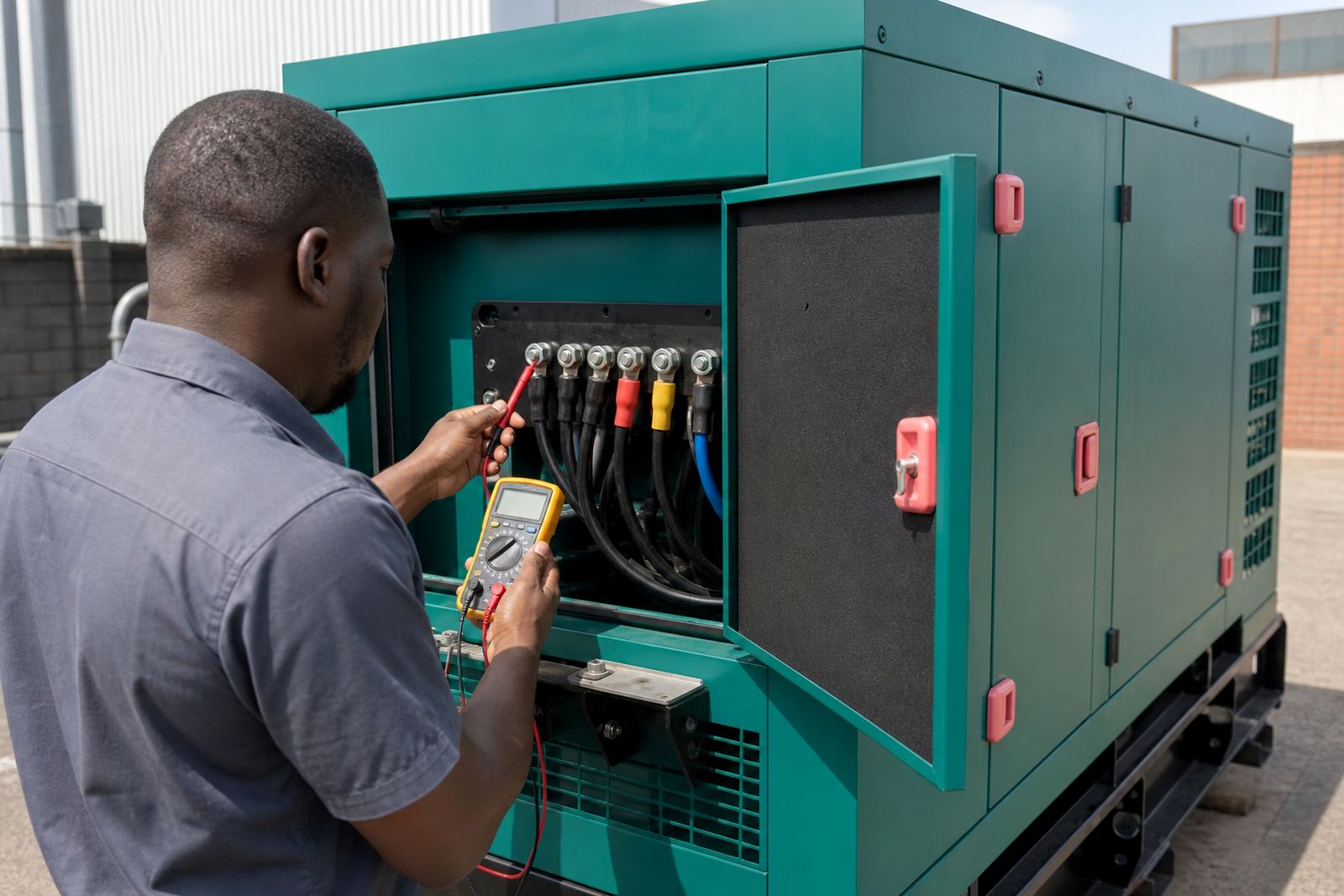
An automatic voltage regulator controls alternator output by adjusting excitation. When it fails, the generator may produce voltage that is too low, too high, or constantly moving up and down instead of settling at a steady level. Similar symptoms can also come from loose connections, damaged sensing wires, worn brushes on brushed units, poor engine speed control, or a problem in the alternator windings, so a quick parts swap is not always the right first move.
Our fault finding help is aimed at generator owners, workshops, farms and site teams that need a sensible starting point before ordering parts. We look at the fault pattern, the generator size and type, the existing AVR layout and the information available on the unit, then guide you toward the most likely next step.
- Low output voltage after start-up
- Voltage climbing too high under light load
- Hunting or flickering voltage at steady engine speed
- No build-up after an AVR replacement
- Burnt terminals, broken plugs or damaged sensing leads
- Uncertain AVR match where the old module has no clear markings
What we include in the fault finding help
This service is not an electrical installation call-out and it is not live diagnostic work on your premises. It is a parts and application support service focused on identifying the likely AVR issue and matching a suitable replacement or related component where needed. If the fault sits outside the AVR, we will say so plainly.
- Review of generator nameplate details and alternator information
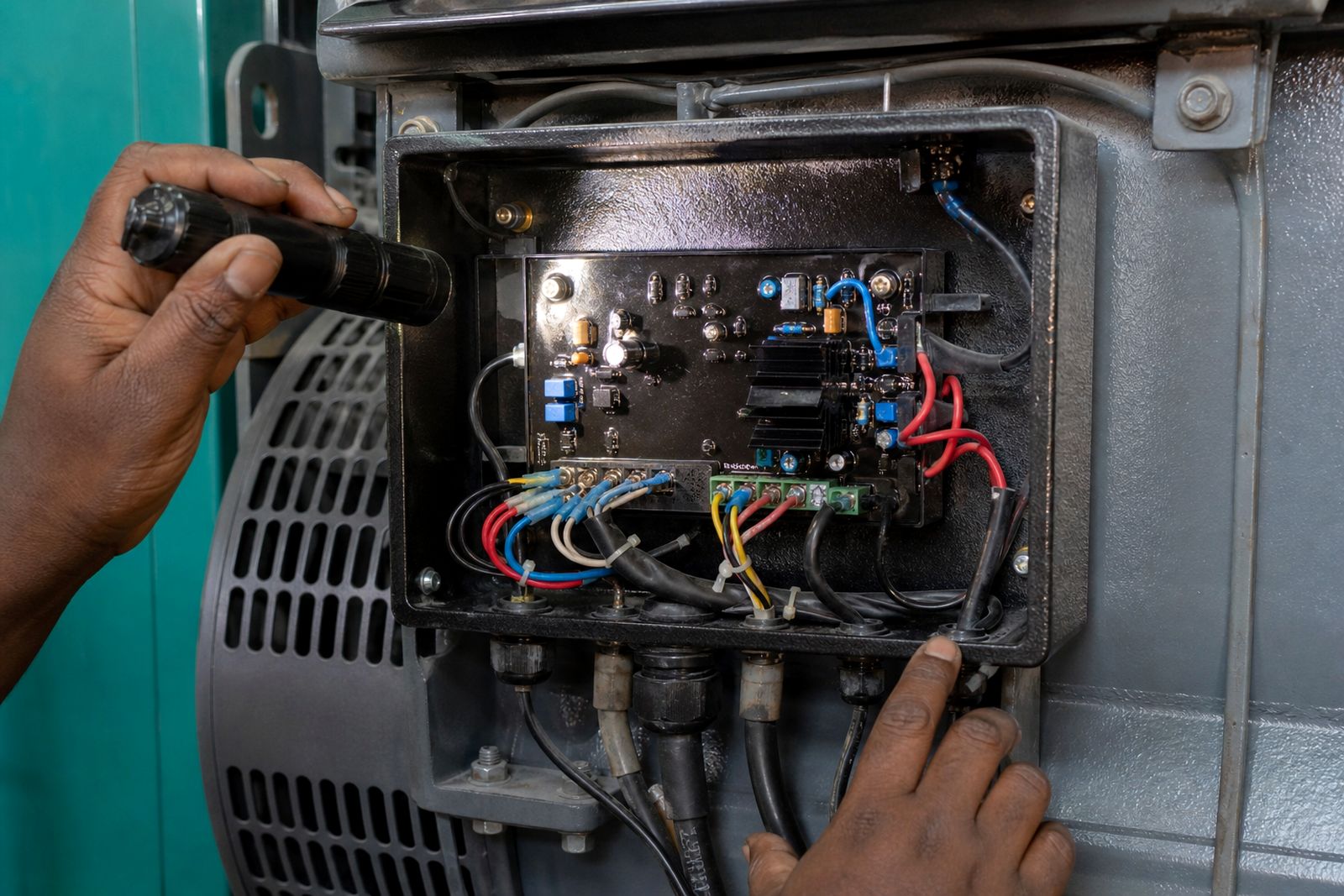
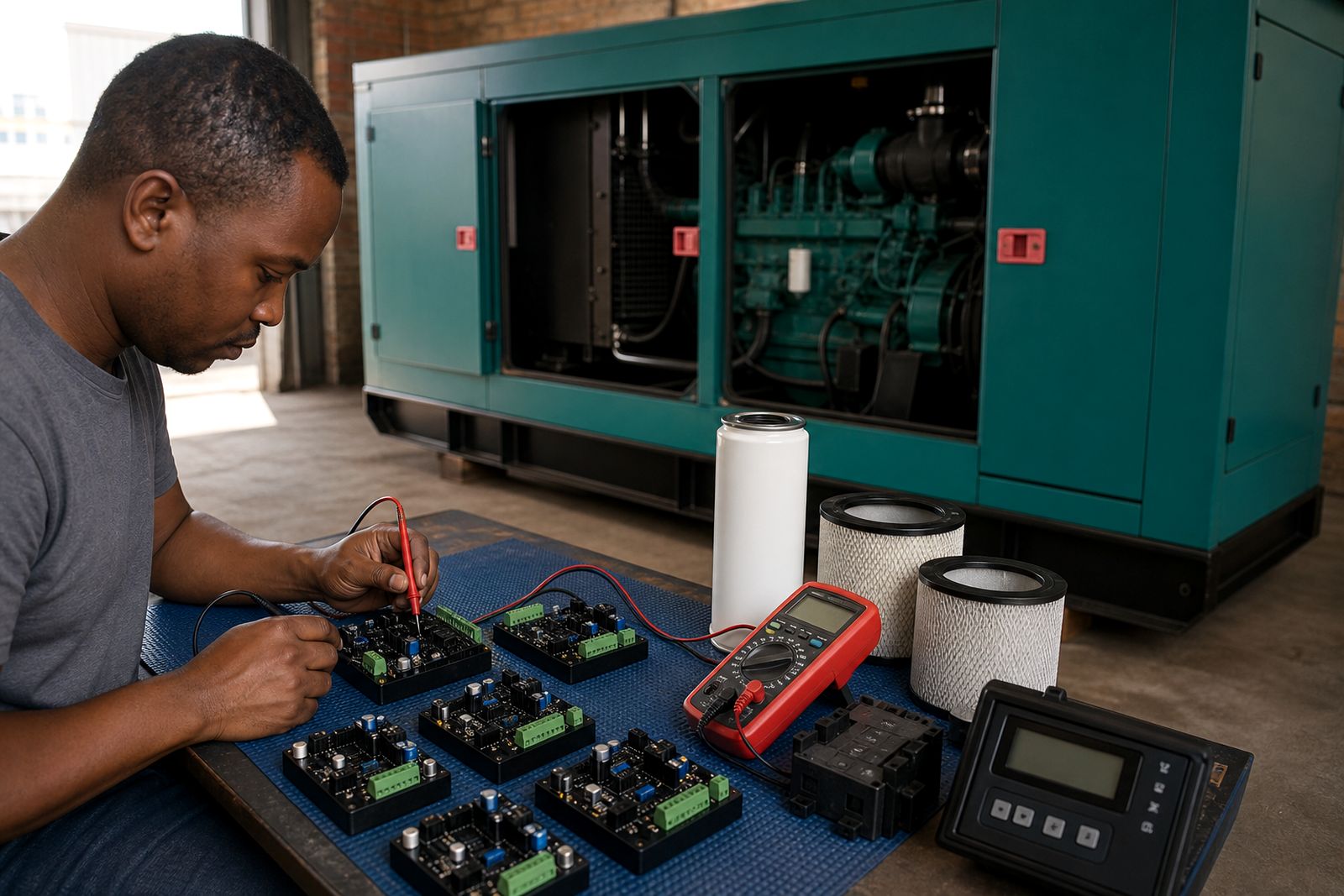
- Assessment of clear photos of the AVR, plugs, terminals and wiring positions
- Basic interpretation of symptoms such as low, high or hunting voltage
- Advice on first checks before buying parts
- Matching of AVR type by mounting, connector style, sensing arrangement and output range
- Guidance on related items that may need inspection, such as brushes, capacitors, fuses, sensors or connectors
Where the evidence suggests a different fault, we may point you toward controller inputs, engine governing, excitation circuit damage or alternator repair work. Any wiring changes, insulation testing and changeover work must be done by a qualified electrician, not by guesswork in the field.
Checks to do before removing parts
A few simple checks can save time and avoid ordering the wrong regulator. Start with the generator off and isolated, then compare the symptom with the operating condition. If the voltage is low only when load is applied, the issue may be outside the AVR. If the voltage is high as soon as the unit stabilises, the regulator or sensing circuit moves higher up the list. Hunting voltage often needs both engine speed and AVR checks, because unstable rpm can look like an alternator problem.
- Read the generator and alternator nameplates, including kVA, phase and rated voltage
- Check whether the unit is brushless or uses brushes and slip rings
- Inspect plugs, spade terminals and screw connections for heat marks
- Look for broken sensing wires, rubbed insulation or loose earth points
- Confirm the engine is holding proper speed and not surging
- Take clear photos before any wires are moved
If a meter reading is available, send the no-load voltage and note whether the reading is stable or moving. A short video of the meter can help when the fault is hunting, because teh pattern matters almost as much as the number.
How the process works
Start by sending the generator details through our contact form together with photos of the existing AVR, the alternator end, plugs, terminals and the full nameplate. If the old part has markings, terminal labels or dimensions, include those as well. Where possible, add a note on the exact fault: no voltage, low voltage, over-voltage, hunting, burnt AVR, or repeated failure after replacement.
We then compare the information against common AVR layouts and excitation arrangements used on petrol and diesel generators, from small portable sets to larger standby units. Mounting centres, plug format, sensing wires and terminal names often tell more than the casing shape alone. If the photos suggest that the regulator is only part of the problem, we will point that out before a part is matched.
Once the likely part is identified, we can supply the AVR or related spare and arrange courier delivery to any province. For customers in Wadeville and the wider Germiston area, collection can be arranged from our shop.
What to prepare for a useful diagnosis
The more complete the information, the better the match. A regulator with the wrong sensing range or terminal layout can cause fresh problems, so details matter. Even on small units there can be more than one version fitted over a production run.
- Generator and alternator nameplate photos
- Front and back photos of the AVR
- A photo showing every connected wire before removal
- Approximate mounting size or hole spacing in millimetres
- Notes on whether the fault appeared suddenly or after other repairs
- Any measured voltage readings, if taken safely by a competent person
If the old AVR is missing, send photos of the mounting area and all loose connectors. That gives us a better chance of narrowing the type without relying on guesswork. Where field wiring has been altered, mention that early, because mis-termination is a common cause of over-voltage and no-build faults.
How costing and aftercare are handled
Pricing is worked out from the part type, the complexity of matching, and whether related items such as plugs, connectors or service components are needed at the same time. A small portable unit AVR and a regulator for a larger standby alternator are not costed in the same way, and unusual layouts can need more comparison work before the right part is selected.
After supply, we can help you confirm terminal labels and the intended connection pattern from the photos already provided, but installation and live testing remain the job of a qualified electrician or competent generator technician. If the new AVR does not solve the fault, send updated photos and readings through our contact form so the next likely cause can be narrowed down. In many cases the follow-up checks move to excitation components, sensing circuits or alternator condition rather than the regulator itself.
What our Generator Parts customers say
Verified Google reviews
Questions we get asked
Can you identify an AVR if the old one has no part number?
Often yes, if you send clear photos of the front, back, plug style, terminal markings, mounting size and the alternator nameplate. Matching is usually done from layout and application details rather than one printed code alone.
Is hunting voltage always caused by a faulty AVR?
No. Hunting can also come from unstable engine speed, poor sensing connections, damaged brushes on suitable machines, or alternator faults. That is why the first checks matter before a replacement is chosen.
Do you install AVRs or do changeover wiring?
No. We supply parts and fault finding help for generator spares. Any AVR fitting, testing under power, or changeover wiring must be handled by a qualified electrician or competent generator technician.
Also worth a look
Tell us about the job
Send sizes, materials and where you are through our contact form, and we will come back with the practical options.
Open the contact form