Generator guides
This section brings together practical notes for owners, site staff and maintenance teams who need the correct generator spare part. The guides are written to help you narrow down the fault, read the nameplate properly and send through the details that matter.
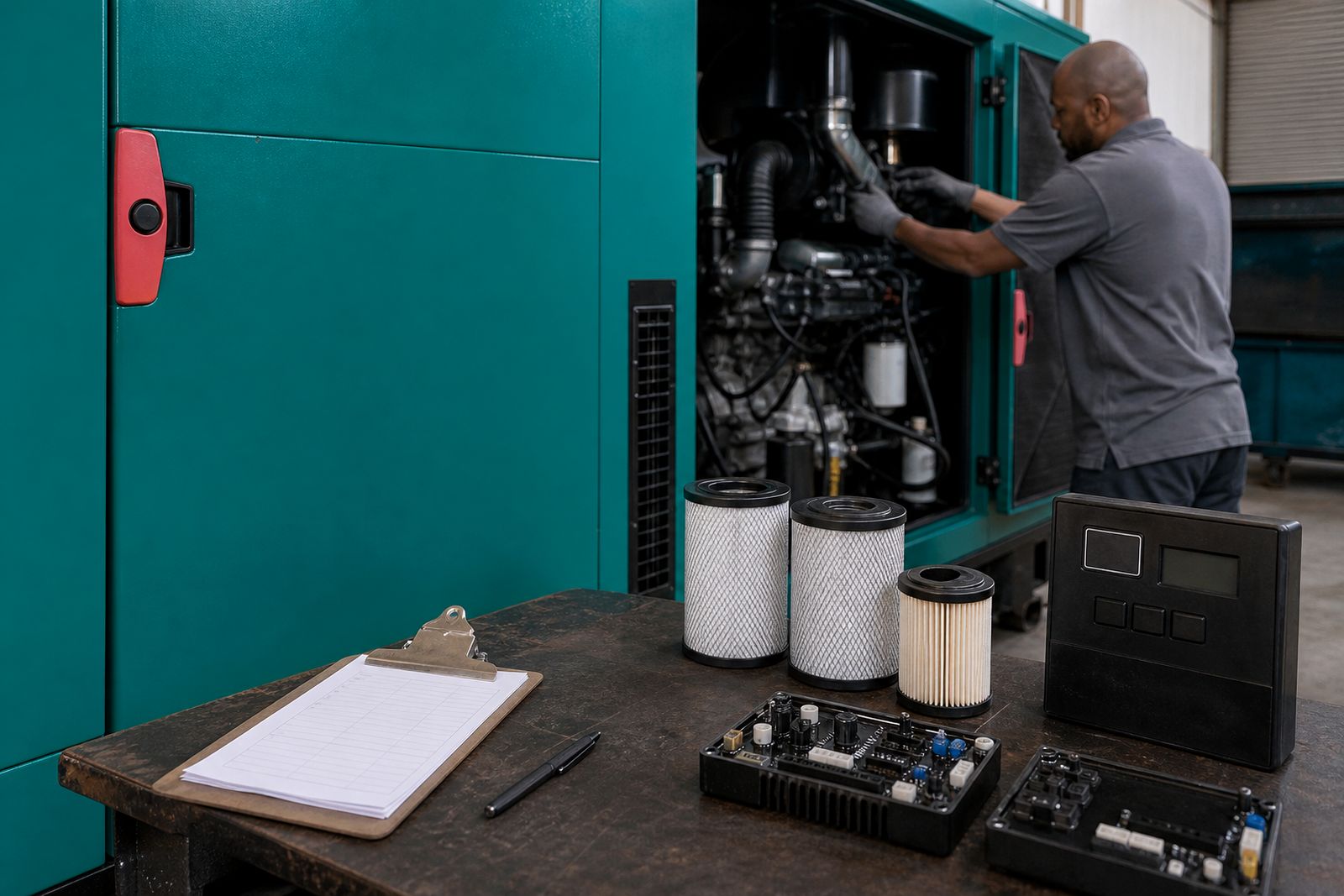
Use this section when the fault is not fully clear
Generator part enquiries often start with a symptom rather than a part number. A set may crank but not fire, hunt under load, trip on alarm, or show unstable output after standing for a while. These guides help you sort out what you are looking at before ordering, so the part request is based on the machine in front of you and not a guess.
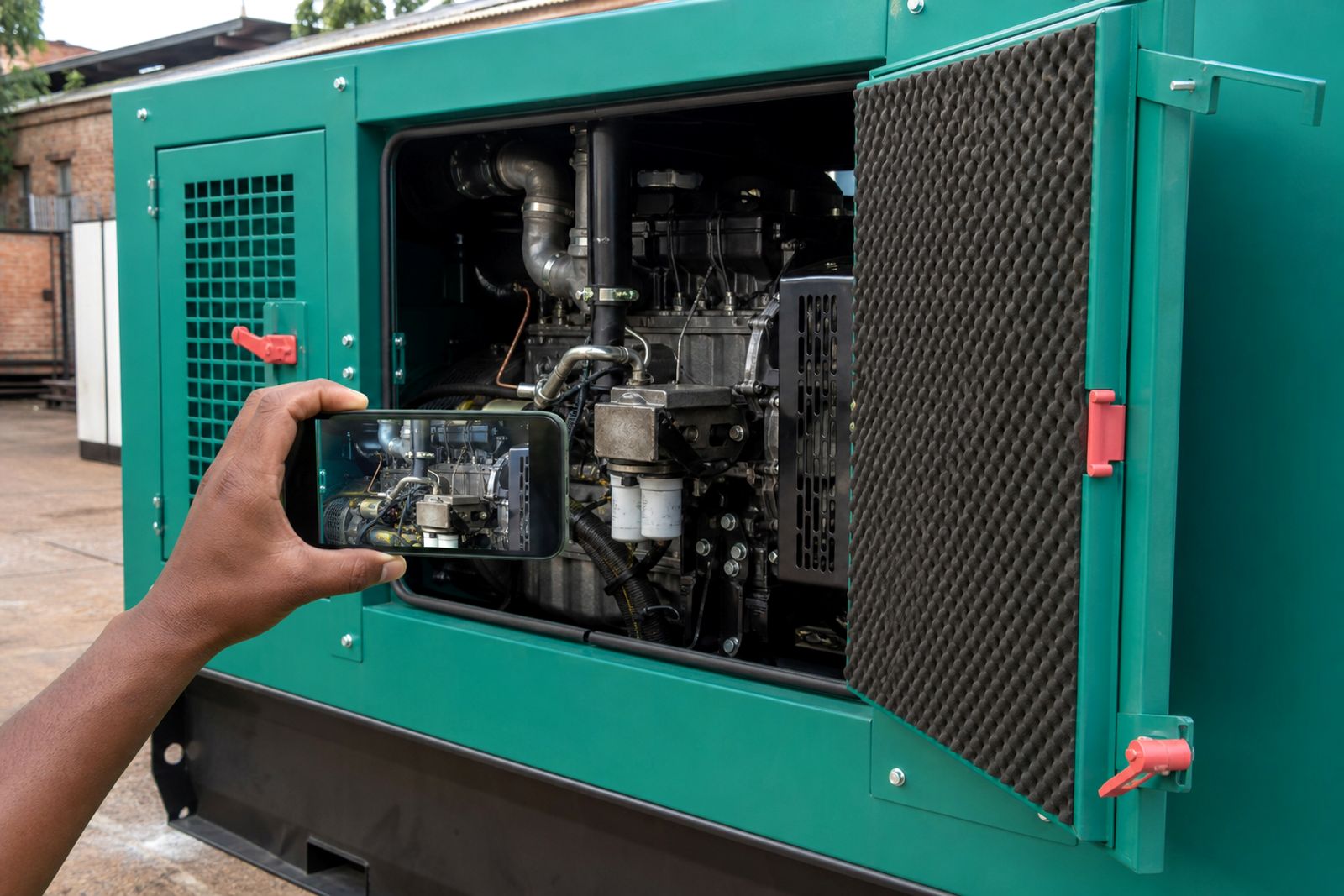
Across Wadeville, farms inland and coastal sites with damp air, the same rule applies: start with the generator nameplate, controller screen details and a few clear photos. That usually tells us far more than a verbal description on its own and it cuts down on mix-ups between similar looking filters, sensors and regulator types.
- Use the part-finding guide when the old item has no readable number.
- Use the maintenance schedule when the set still runs but service intervals have drifted.
- Use the AVR fault notes when voltage is unstable, too high, too low or absent.
- Use the controller and sensor pages when alarms, start signals or shutdown readings do not make sense.
How to choose the right guide first time
If you are deciding where to start, match the guide to the problem you can actually observe. A blocked fuel filter and a failed auto-start module can both leave a site without backup power, but the checks are different and the photos you send will also differ. Picking the right guide first saves a lot of back and forth.
- No start after standing: begin with maintenance history, battery condition and fuel side checks.
- Starts but trips quickly: look at controller alarms, oil pressure, temperature and sensor readings.
- Runs but output is erratic: move to AVR and alternator related guidance.
- Service due or unknown: use the maintenance schedule and identify filters, belts and kit items.
- Part looks wrong or modified before: use the part-identification guide with full machine photos.
Where wiring or changeover equipment is involved, remember that connection work must be done by a qualified electrician. The guides can help you identify modules and replacement parts, but they are not a substitute for electrical installation practice.
Finding the right part with photos and nameplate details
The fastest way to narrow down a spare is to collect the information from the set itself. On many portable and standby units, the exact controller, AVR or filter type cannot be confirmed from engine size alone. The alternator data plate, controller face, plug layout and the mounting shape all matter.
Try to include a straight photo of the generator nameplate, one of the old part from the front, one from the side and one showing the connector or thread. If there is damage, rust, soot or oil around the area, include that as well. It often points to the real issue even when the failed part seems obvious at first glance.
If you are unsure which pictures matter, use our contact form with the machine details and the fault description. Short notes are fine, but make sure the photos are sharp enough to zoom in on numbers and terminal markings.
A practical comparison: filters, AVRs and controllers
These three groups are the most common starting points on generator spares, but they solve very different problems. The list below can help you decide which section to read next.
- Filters: linked to routine service, hard starting, fuel starvation, black smoke, poor running after contaminated fuel, or visible dirt and water in the system.
- AVRs: linked to unstable voltage, no build-up, over-voltage, under-voltage or output that drifts as load changes.
- Controllers: linked to alarms, failed auto-start, missing shutdown signals, display faults, crank timing issues or changeover command problems.
- Sensors and senders: often sit behind controller alarms for oil pressure, temperature or speed related shutdowns.
- Service kits: best when the machine is due for a full planned service and you want the common wear items grouped together.
One common mistake is replacing an AVR when the real problem is a broken sensing wire, a worn brush assembly or a controller setup issue. Another is chasing a controller fault when the battery voltage has dropped too far during standing time. Start with the symptom, but check the surrounding parts too.
Routine service notes that prevent messy breakdowns
Generators that stand for long periods tend to fail at the moment they are needed most. Old fuel, a weak starter battery, blocked breathers and overdue filters show up quickly during a mains outage or on a remote pump site. A simple service rhythm is usually more useful than complicated paperwork, especially for small site fleets.
For dusty workshop yards and agricultural sites, air filtration deserves more attention than many owners expect. For coastal areas, corrosion at terminals and sensor plugs can cause odd intermittent faults that look worse than they are. A set may seem fine on a no-load test, then stumble once a pump or compressor comes on line, which is why load behaviour matters.
- Keep service dates and running hours together in one log.
- Inspect filters, belts, battery terminals and coolant condition at the same visit.
- Run standby sets under the correct conditions laid down by the electrician or maintenance lead.
- Investigate small leaks early because dust sticks to them and hides the source.
When to ask for part identification help
Ask for help when the machine has been repaired before with mismatched parts, when labels are missing, or when the old item differs from what the manual appears to show. This happens quite a lot on older standby sets and on units that have moved between sites. Small differences in plug type, terminal count or mounting centres can matter more than the overall size.
It also helps to ask before forcing a near-match into place. Cross-threaded filters, incorrect sender ranges and the wrong AVR connections can create a much bigger repair than the original fault. Send the nameplate photo, the old part, and a short note on what the set is doing now, we can then guide the enquiry toward the right section and part family.
What our Generator Parts customers say
Verified Google reviews
Questions we get asked
What details should I gather before asking about a generator spare?
Include a clear photo of the generator nameplate, the old part from more than one angle, any numbers on plugs or terminals, and a short description of the fault. Controller alarm messages and running hours are also useful where available.
Can these guides help if my generator starts but has no stable output?
Yes. Start with the AVR related guides and include photos of the alternator end, regulator connections and any meter readings you have taken. Unstable output can also involve brushes, sensing leads or controller settings, so the surrounding components matter.
Do you provide wiring or installation advice for changeover equipment?
We can help identify changeover and ATS parts, controllers and auto-start modules, but wiring and changeover work must be done by a qualified electrician. The guides only cover general fault-finding and part identification.
Tell us about the job
Send sizes, materials and where you are through our contact form, and we will come back with the practical options.
Open the contact form