How to find the right part
Getting the correct generator spare starts with the details already on the machine and the old part. A clear nameplate photo, a few close-up pictures and any numbers printed on the component save time and reduce ordering mistakes.
Start with the generator nameplate
The generator nameplate is usually the quickest way to narrow down compatible spares. On portable units it may be on the frame, side cover or control panel area. On larger standby sets it is often fixed to the canopy, base frame or alternator housing. Please photograph the full plate straight on, with enough light to read every line.
We use the plate to check the basic size and type of machine before looking at a filter, AVR, controller or sensor. If one label is faded, send any second plate you can find on the engine or alternator as well. Even partial information helps when a machine has had past service work or non-standard parts fitted.
- Generator model or set model
- Engine model and serial number
- Alternator model if shown separately
- Power rating in kVA or kW
- Single-phase or three-phase output
- Voltage and frequency such as 230V, 400V, 50Hz
- Any controller or module number on the panel
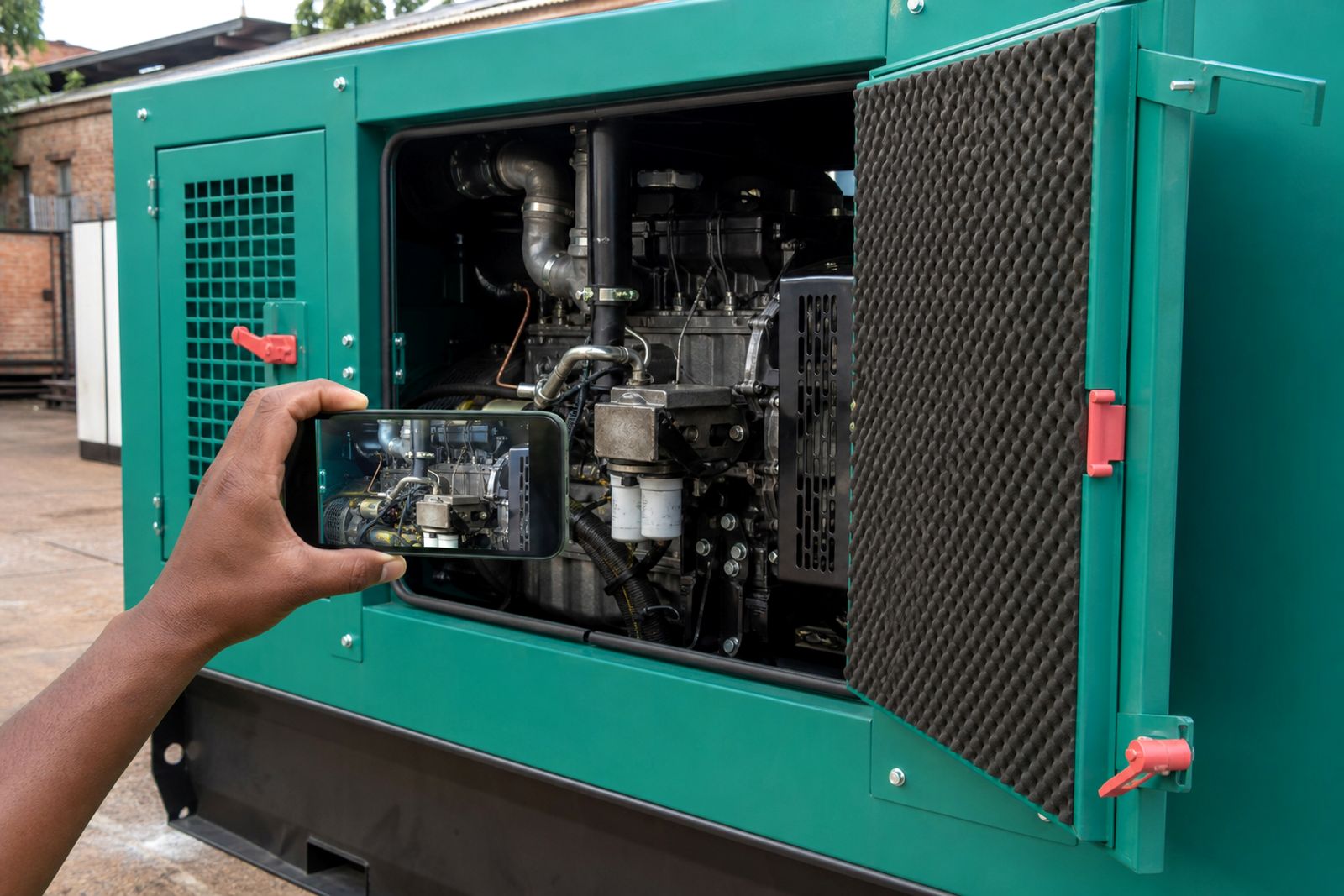
Take photos that show shape, plugs and mounting points
A part number on its own is useful, but photos stop a lot of avoidable mix-ups. Different AVRs, filters and controllers can share similar numbers while using different plugs, terminal layouts or mounting holes. A picture of the installed part and a second picture after removal usually gives the clearest view.
Please wipe off heavy oil or dust before taking the shots. Coastal humidity and workshop grime can hide markings, and a camera flash often washes out stamped codes on black plastic. If there is a broken plug or a burnt terminal, include that area clearly so the condition can be seen.
- One photo of the part fitted on the generator
- One close-up of the label or printed code
- One photo of the plug, socket or terminals
- One photo of the mounting face or bracket
- One side-on photo to show thickness and shape
- A wider photo of the engine or control panel location
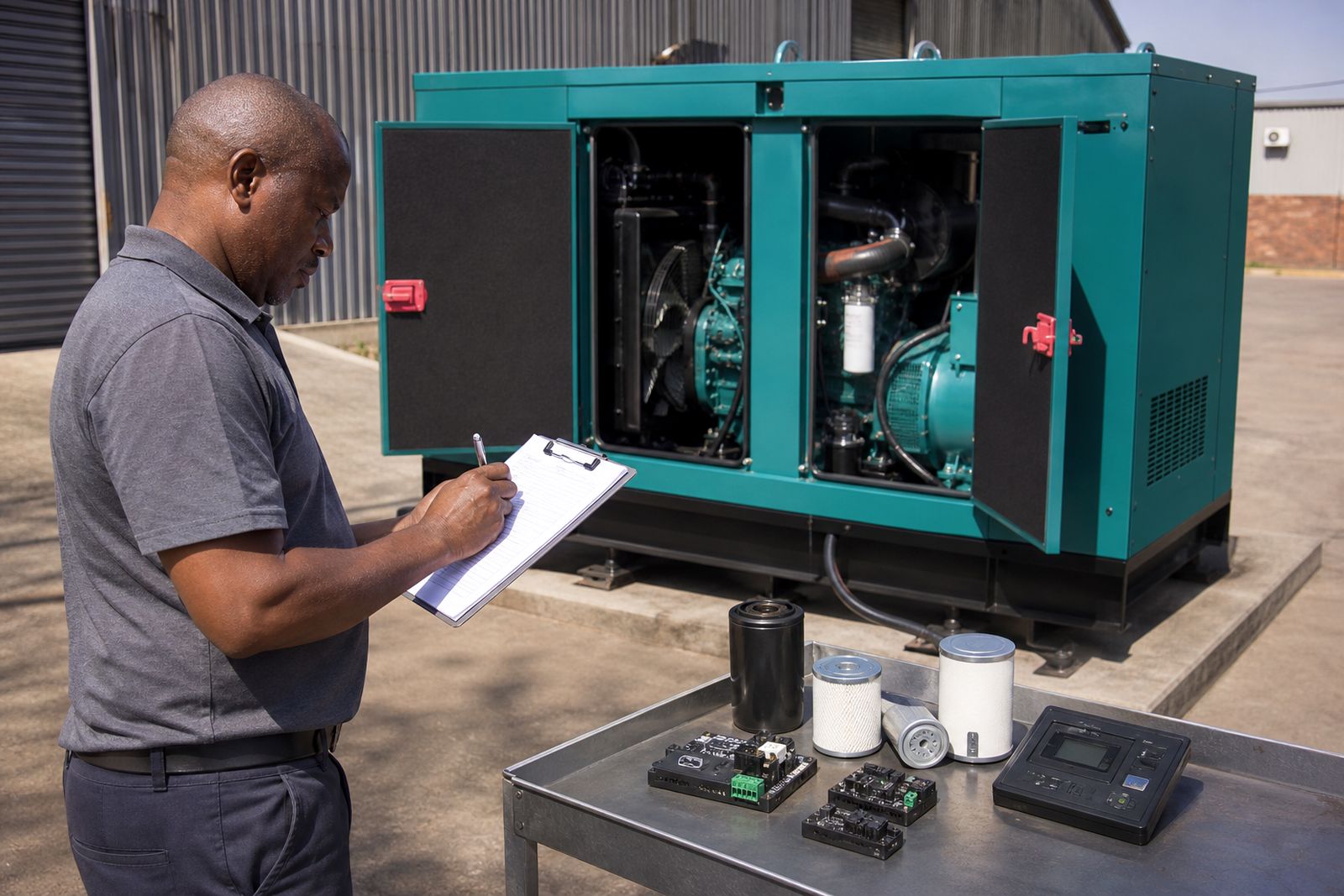
Read every number on the old part
The old component often carries the best clue, provided every marking is copied exactly. Filters may have short printed codes, while electronic parts can have a longer number, revision mark and terminal labels. A single wrong digit can point to a different item, so copy what you see rather than guessing from memory.
If the print is faded, photograph the part from more than one angle. Stamped metal tops and moulded plastic housings can become readable when light falls across them sideways. On filters, please include both the side wall and the base plate where thread size or gasket dimensions may be relevant.
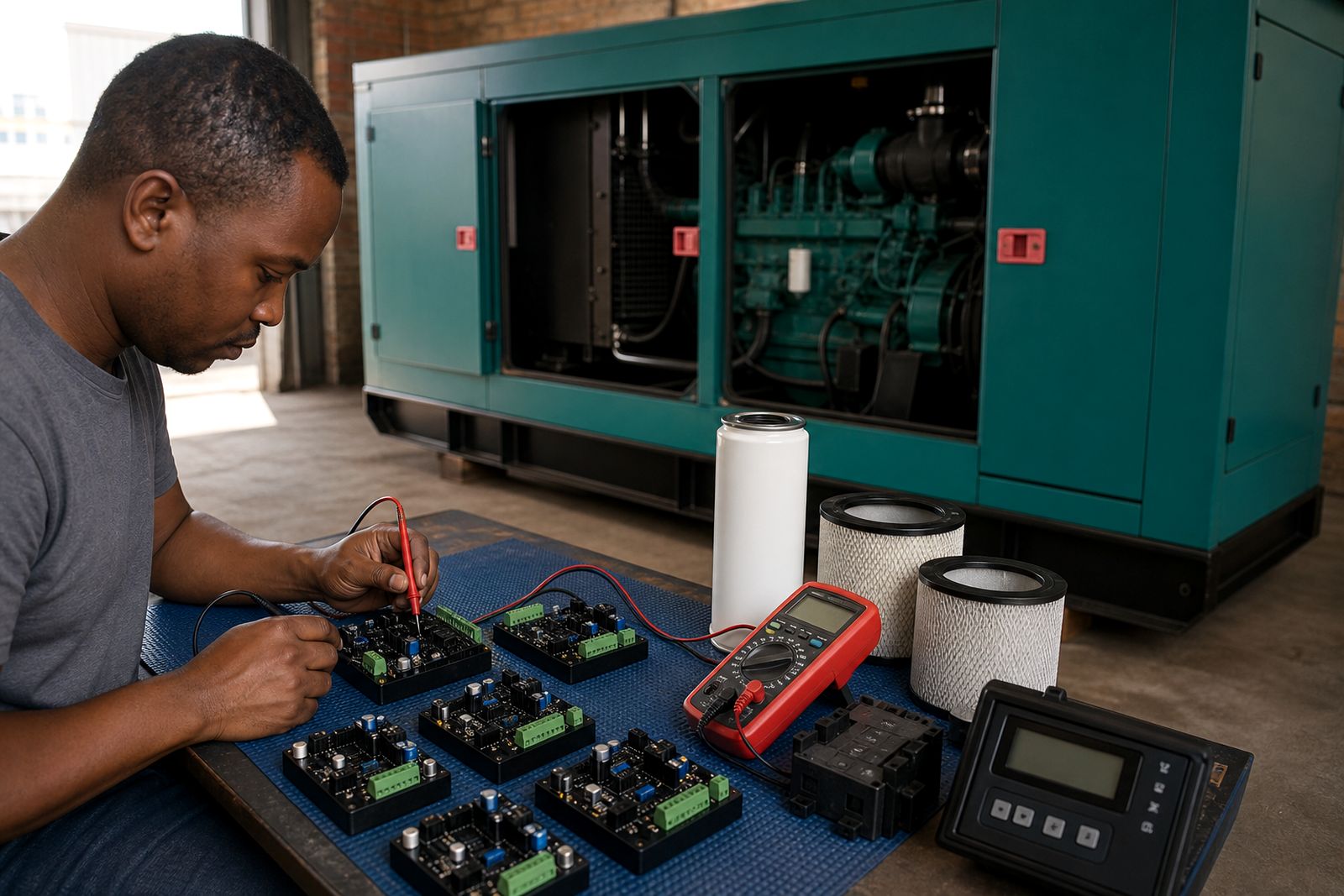
For AVRs and controllers, terminal names matter almost as much as the main part number. Labels such as sensing input, field output and fuse rating can show whether a unit belongs to a brushless alternator setup or a different arrangement. If there is a small dip switch bank or trimmer layout visible, include that too, it can help distinguish similar boards.
Measure filters, belts and senders when numbers are missing
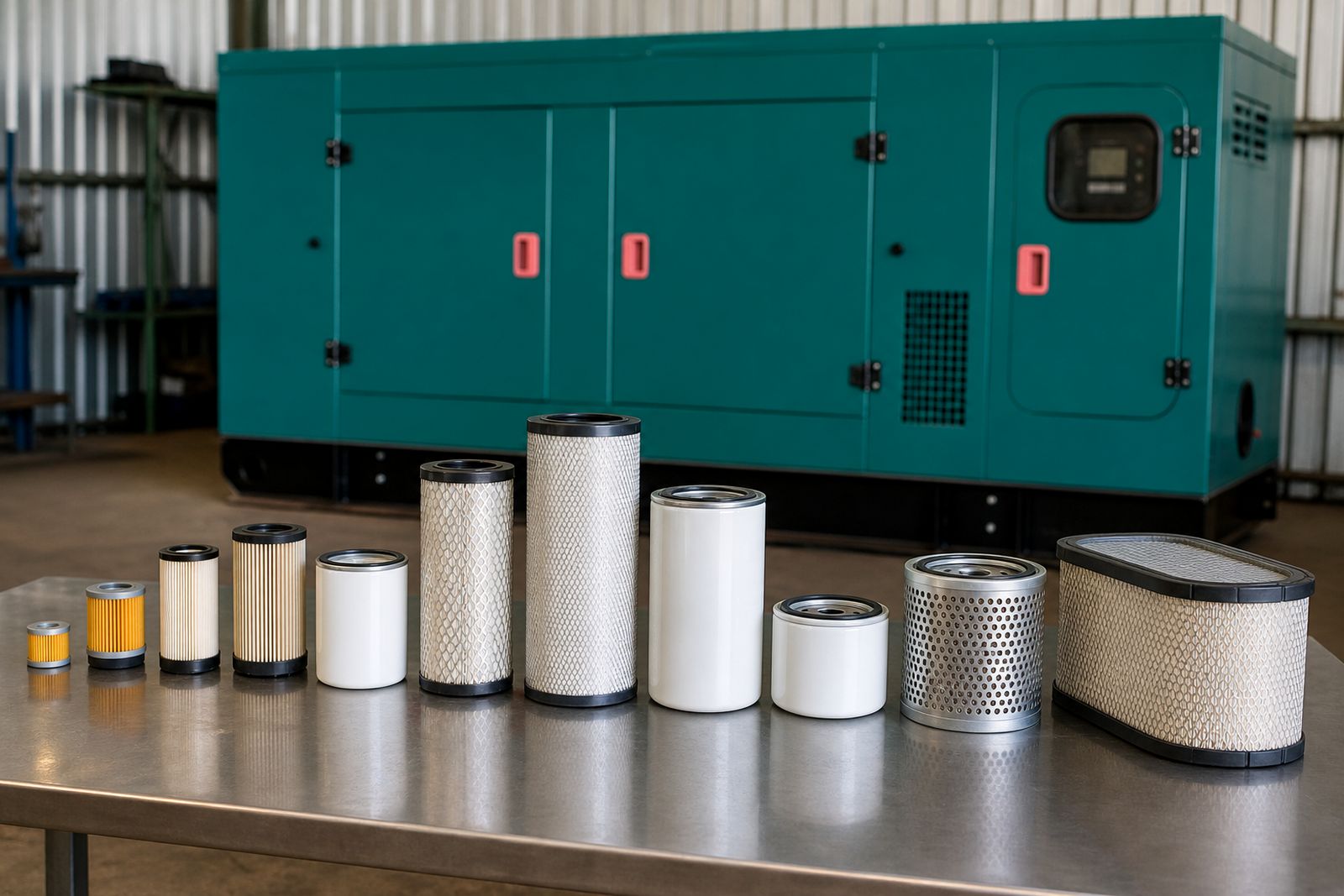
Older service items sometimes arrive with unreadable labels or no packaging at all. In those cases, good measurements help narrow the options. A quick tape measure photo is better than an estimate typed from memory, especially on spin-on filters and V-belts where a small difference can matter.
For threaded parts and senders, measure carefully and add a photo next to a ruler or vernier if you have one. On a sender, the thread, terminal style and probe length all count. On a belt, the width and outside length are more useful than saying it came off a small unit or a farm set.
- Filter overall height
- Outer diameter
- Thread size if known
- Rubber seal outside diameter
- Belt top width and outside length
- Sender thread size and probe length
- Battery dimensions and terminal layout
Tell us what the generator is doing
The symptom helps when more than one part could be involved. A set that hunts at idle, trips on low oil pressure, fails to build voltage or will not auto-start can point in different directions. We are not doing electrical installation advice, but the operating complaint often helps separate a likely spare from a wiring or setup issue.
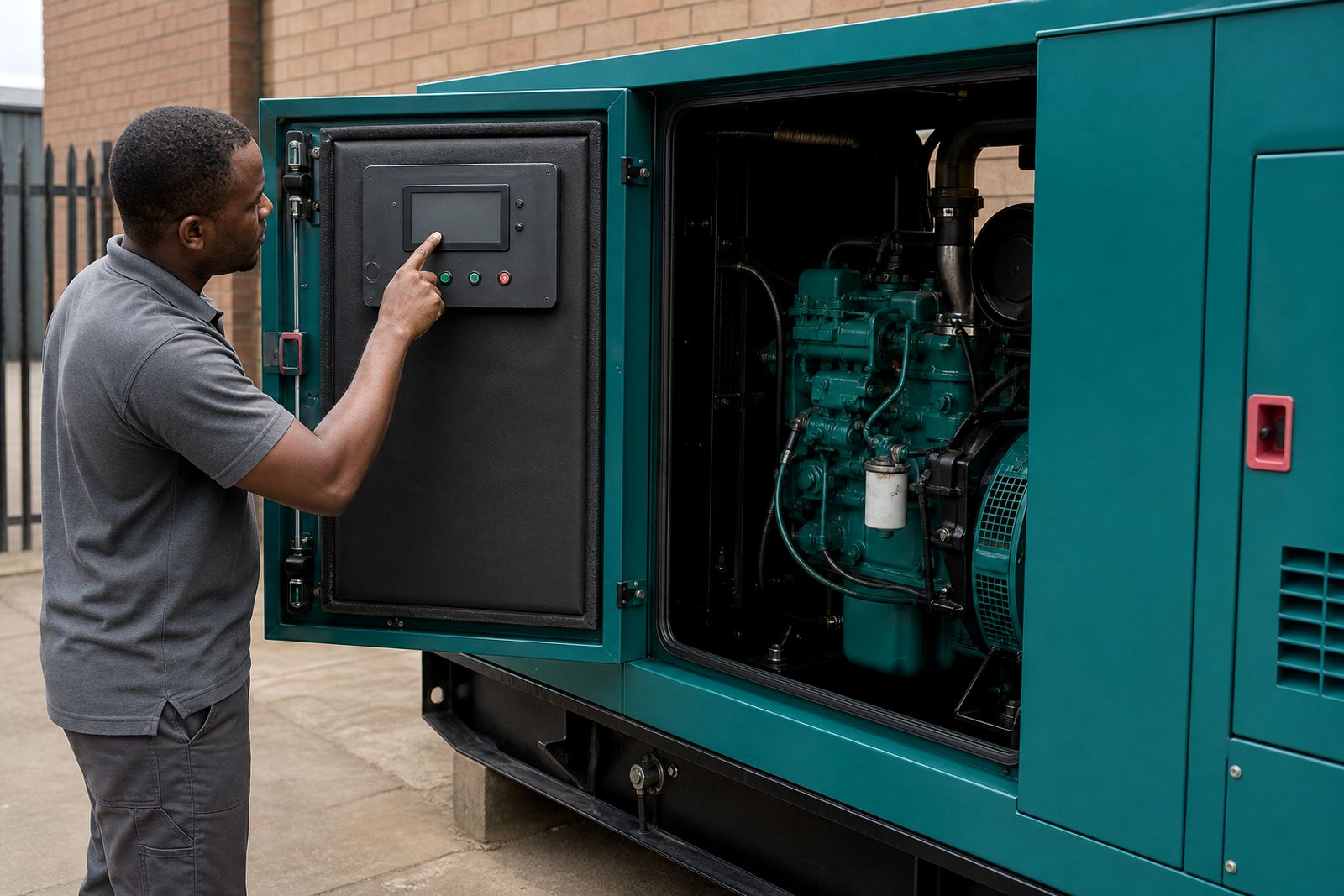
Please mention whether the machine is petrol or diesel, portable or standby, and whether the problem appeared after service work, storage or heavy use. If a controller screen shows a fault text or code, send a photo of that message. Where a breaker has tripped or a fuse has blown, say which one and what happened just before it. Those small details matter more than many people think.
For changeover and ATS parts, include photos of the label inside the enclosure and the failed section if visible. Wiring and changeover work must be done by a qualified electrician, so treat any exposed conductors as live untill they are isolated properly.
Send one complete brief through our contact form
The easiest way to help is to send the whole set of details together through our contact form rather than drip-feeding one image at a time. Put the generator plate, old part photos, measurements and fault notes in one message. That gives a cleaner picture of the machine and reduces the chance of matching from incomplete information.
If you are working from Wadeville, Germiston or a nearby industrial area, the same rule applies as it does for outlying farms and workshops in other provinces. Good photos travel well, and a careful brief usually beats a rushed voice description. When a part has already been removed, lay it on plain cardboard or a clean bench so the outline and connectors stand out.
- Full generator nameplate photo
- Engine and alternator plate photos if separate
- Sharp pictures of the old part from several angles
- All printed numbers and terminal labels
- Measurements where markings are missing
- A short note on the fault or service item needed
- Your town or delivery area
If you are unsure whether the spare is a filter, AVR, controller, sensor or service kit item, send what you have and say where it sits on the machine. We can work from the location and markings much better than from a guessed name.
What our Generator Parts customers say
Verified Google reviews
Questions we get asked
What if my old part has no number on it?
Send clear photos of the fitted part, the removed part and the generator nameplate, plus measurements if possible. Shape, plug style, thread size and mounting points are often enough to narrow the match.
Can you identify a part from the generator model only?
Sometimes, but not reliably in every case. Generators are often serviced with alternative filters, replacement controllers or different charging parts, so photos of the actual component are far better than model details on their own.
Do you install ATS or changeover parts?
No. We supply generator spare parts only. Any wiring, changeover or electrical connection work must be done by a qualified electrician.
Also worth a look
Tell us about the job
Send sizes, materials and where you are through our contact form, and we will come back with the practical options.
Open the contact form