Generator controllers
Generator controllers handle the signals and switching logic that let a set start, stop and protect itself properly. This page covers the main controller parts we supply, where each one fits, and the details that matter when you need the correct replacement.
What sits in the controller section
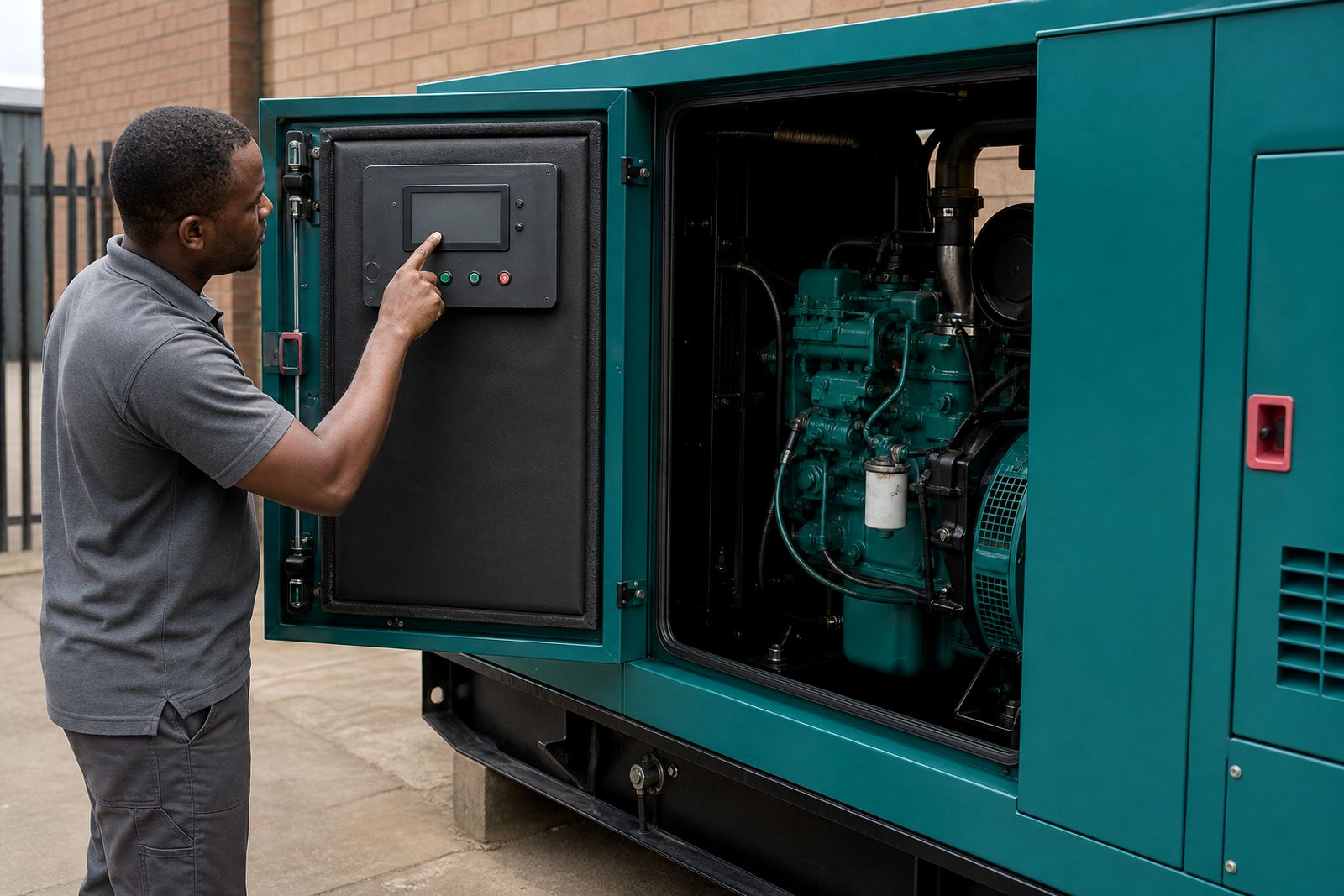
Our controller range covers the parts that read engine conditions, command a start sequence, and pass operating information to the panel. These items are used on small petrol units with basic stop and low-oil protection, right through to diesel standby sets with remote start, mains sensing and changeover interfaces.
Most enquiries in this section fall into three groups: a failed controller module, a damaged sender or sensor, or a panel component that no longer communicates properly with the engine harness. A clear photo of the front label, the rear terminals and the generator nameplate usually helps narrow it down quite quickly, even when the old part is dusty or the wiring colours are faded a bit.
- Auto-start and AMF modules for standby duty.
- Control panel parts used for start, stop, monitoring and alarms.
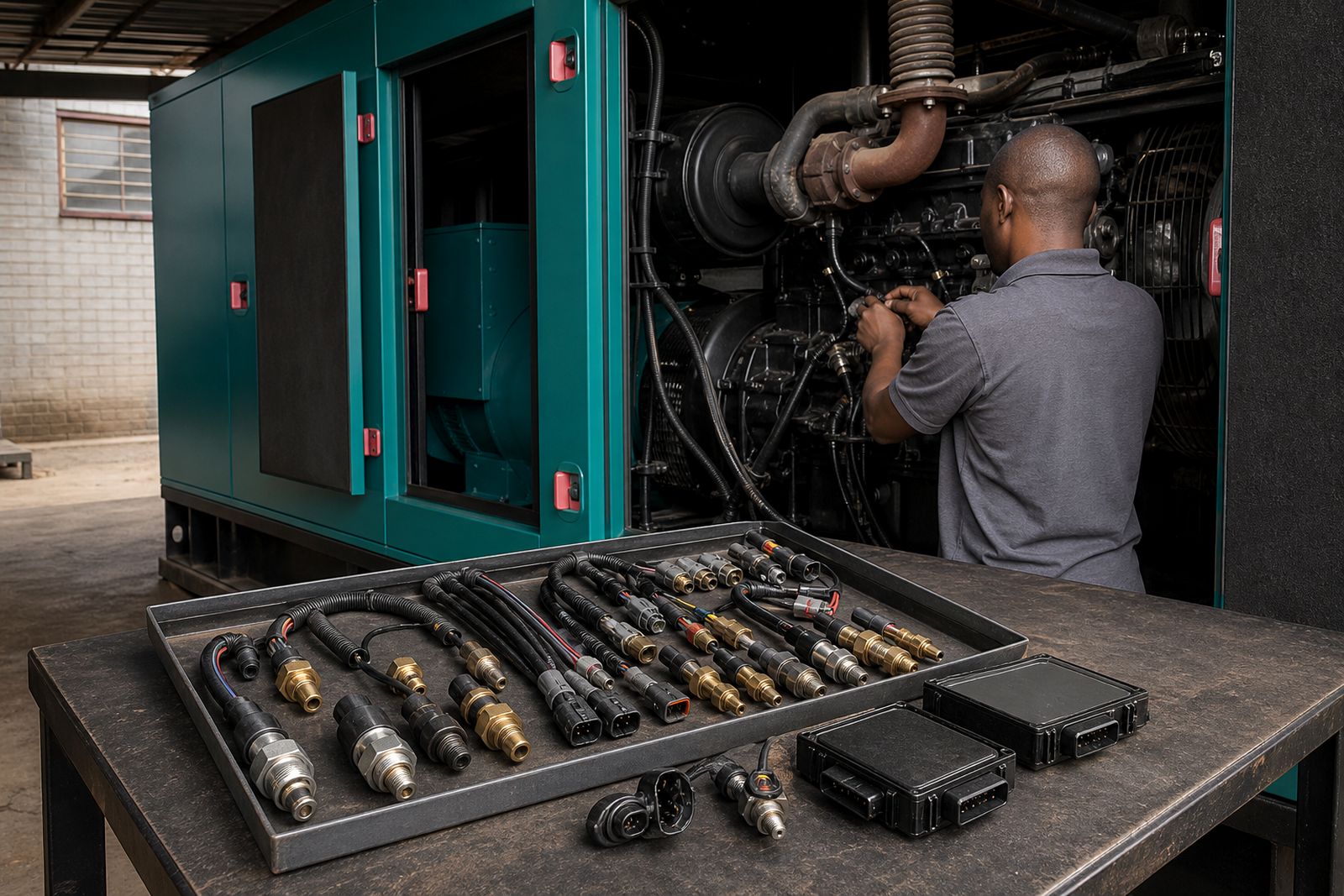
- Sensors and senders for oil pressure, temperature, speed and related shutdown functions.
Choosing between a basic module and a full auto-start controller
Not every generator needs the same level of control. A simple start module may suit a farm pump set or workshop backup unit where the operator is nearby, while a fuller automatic controller is more common on premises that need the generator to react to a mains failure without someone standing at the panel.
The right choice depends on the signals your generator already uses, the type of engine shutdown protection fitted, and whether the set works with an automatic changeover arrangement. If the old unit has many terminal points for mains sensing, fault outputs and remote start contacts, replacing it with a very basic module usually creates more problems than it solves.
- Basic start or stop modules suit simpler sets with limited inputs and outputs.
- Auto-start or AMF controllers suit standby applications where mains failure and return must be detected.
- Panel swaps work best when the terminal layout, voltage sensing and shutdown inputs match the existing harness.
A practical comparison of the main controller options
When two parts look similar on the shelf, the working details are what separate a correct match from a frustrating one. These are the points we ask customers to check before we suggest a controller path.
- Manual start panel: suited to attended operation, fewer terminals, simpler fault logic.
- Auto-start module: accepts a remote start signal and runs a programmed start sequence.
- AMF controller: monitors mains supply as well as generator conditions and forms part of a standby setup.
- Engine protection module: focused on shutdown inputs such as low oil pressure, high temperature or overspeed.
- Replacement sender or sensor: restores correct readings when the controller itself is still healthy.
If you are not sure which category your set falls into, send the panel face, the terminal side and the generator nameplate through our contact form. On many jobs the old part number is half-legible, and the rest is confirmed by connector style, terminal markings and whether the machine is petrol or diesel.
Sensors and senders that feed the panel
A controller can only react to the information it receives, so failed senders often get mistaken for failed panels. Low oil pressure switches, temperature senders, magnetic pickups and similar items all play a part in starting, protection and fault shutdown. When one of them drifts out of range the generator may crank but not fire, start and stop after a few seconds, or show an alarm that does not make sense.
Matching a sender means checking more than just the thread size. We also look at whether the part is a switch or a variable sender, the operating range, the connector style and the intended gauge or controller input. On older sets from coastal sites, corrosion around the terminal can be the whole problem, but it is still worth matching the replacement carefully so the reading stays stable under load.
Details that help us identify the right part
Controller parts are easier to match when we can see the whole picture, not only the damaged item on its own. A close photo is useful, but wide photos of the panel and harness often show whether the set uses remote start, preheat, charge alternator signals or extra shutdown channels.
- A photo of the generator nameplate showing model and rating.
- A clear picture of the controller front and the terminal side.
- Photos of plugs, loose wires and any burnt or broken terminals.
- A note on whether the set is petrol or diesel, single-phase or three-phase.
- A brief description of the fault, such as no crank, false high temperature, or starts then trips.
Where a changeover arrangement is involved, remember that wiring and switching work must be done by a qualified electrician. We supply the parts in this section, but we do not carry out electrical installation or on-site changeover wiring.
Where these parts are used
We send controller parts from Wadeville in Germiston for a wide spread of applications. Small portable units often need straightforward shutdown and start components, while standby machines at shops, offices, workshops and agricultural sites more often use auto-start modules tied into a mains failure arrangement.
Conditions on site matter. Dust in inland workshops can affect connectors and panel buttons, and coastal humidity can cause green corrosion on terminals and sender studs. On borehole and farm installations, vibration and heat around the engine bay can shorten the life of smaller panel components if the mounting is loose or the harness rubs through. That practical site detail helps when choosing between a quick sender replacement and a fuller controller inspection.
Explore the range
What our Generator Parts customers say
Verified Google reviews
Questions we get asked
Can I replace a controller with any unit that looks similar?
No. Terminal functions, voltage sensing, shutdown inputs, start sequence logic and connector layout all need to match the generator setup.
Do you sell complete generator sets or install control panels?
We supply generator spare parts only. We do not sell or hire complete generators, and electrical installation work must be done by a qualified electrician.
What should I send to identify a controller or sensor?
Please send the generator nameplate, clear photos of the old part from the front and back, and a short note on the fault through our contact form.
Tell us about the job
Send sizes, materials and where you are through our contact form, and we will come back with the practical options.
Open the contact form