
Auto-start and AMF modules
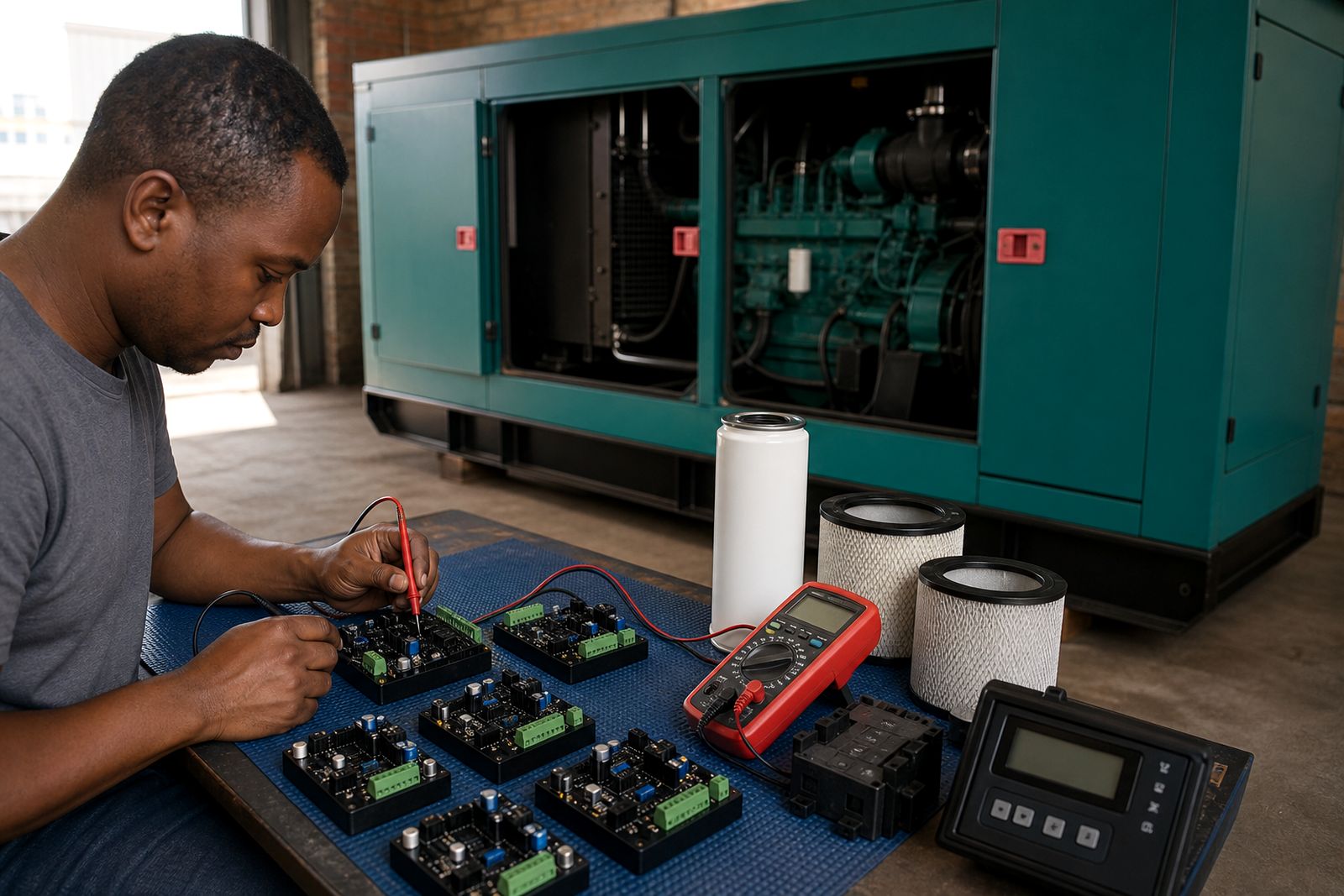
Auto-start and AMF modules tell a standby generator when to start after a mains failure and when to stop once utility power is stable again. We supply replacement modules and help match inputs, outputs and sensing needs from the generator nameplate, panel details and clear photos.
What an auto-start or AMF module does
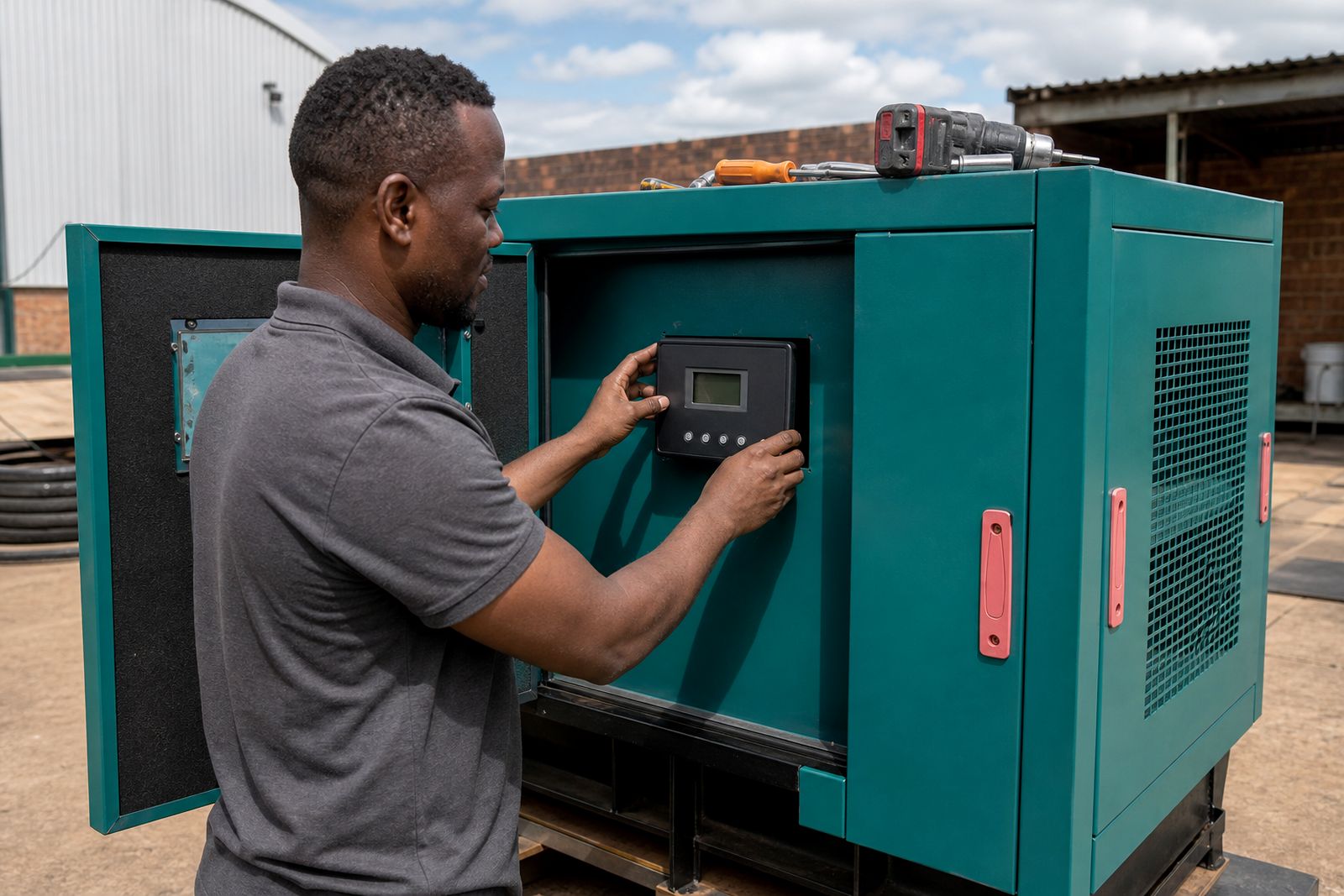
An auto-start module manages the basic start and stop sequence of a generator from a remote signal or dry contact. An AMF module adds mains monitoring, so it can watch utility voltage and frequency, command the generator to start when supply drops away, then hand back once mains power has returned and settled.
On small standby sets this may be a compact panel-mounted unit. On larger changeover systems it is often paired with contactors, a changeover switch or ATS control parts. The module itself does not carry the building load. It sends control signals and reads feedback from the engine and alternator, so the rest of the panel must still be sized and wired correctly by a qualified electrician.
- Remote start and stop from a two-wire or dry-contact signal
- Mains failure sensing on single-phase or three-phase supply
- Engine protection inputs such as low oil pressure and high temperature
- Charge alternator, speed or running feedback on selected models
- Programmable delays for crank, rest, warm-up and cool-down
Module sizes, input options and working limits
The right module depends on the generator control panel, not only the engine size. A portable petrol unit with key start uses a very different control arrangement from a diesel standby set with an enclosed panel and changeover gear. We look at the supply being monitored, the start method, the shutdown circuit and the available sensor signals before suggesting a suitable unit.
Most modules in this category fall into three broad groups. Basic auto-start modules suit simple remote start jobs. Mid-range AMF modules add mains sensing and timed transfer logic. More advanced units have extra configurable inputs and outputs for common alarms and site interlocks. Working limits vary by model, but the usual checks are control supply voltage, relay output rating, AC sensing range, frequency range and whether the unit reads magnetic pickup, alternator frequency or charge-alternator signals.
- Control supply options commonly match 12 V or 24 V starting systems
- AC voltage sensing must match the site supply and alternator feedback method
- Single-phase and three-phase mains monitoring are not interchangeable on every unit
- Output contacts must suit the starter, fuel solenoid and preheat circuit arrangement
- Ingress protection depends on the panel, not just the face of the module
Heat, panel dust and vibration matter. In coastal air, terminals and small plug connections can oxidise over time, which causes nuisance alarms and failed starts if the enclosure is poorly sealed.
Where these modules suit the job
Auto-start and AMF modules are usually fitted where a generator must pick up a building, workshop, pump line or security load when utility supply fails. Around Wadeville we often see them on small factory standby sets, gatehouse supplies, home backup systems with manual or automatic changeover, and pump applications on plots and farms.
They are not a cure for every starting fault. If the starter battery is weak, fuel is contaminated, the stop solenoid is sticking or the alternator excitation circuit has failed, a new module will not fix the root problem. They also do not replace a proper ATS assembly where current carrying changeover is required.
- Suitable for standby generators with electric start and a proper control panel
- Useful where mains failure sensing and timed start are required
- Common on diesel standby sets from small enclosures to larger site units
- Not suitable for pull-start machines or sets with heavily altered wiring and no diagram
- Not for direct DIY mains wiring or load changeover by unqualified persons
Panel and site details we need before we match a unit
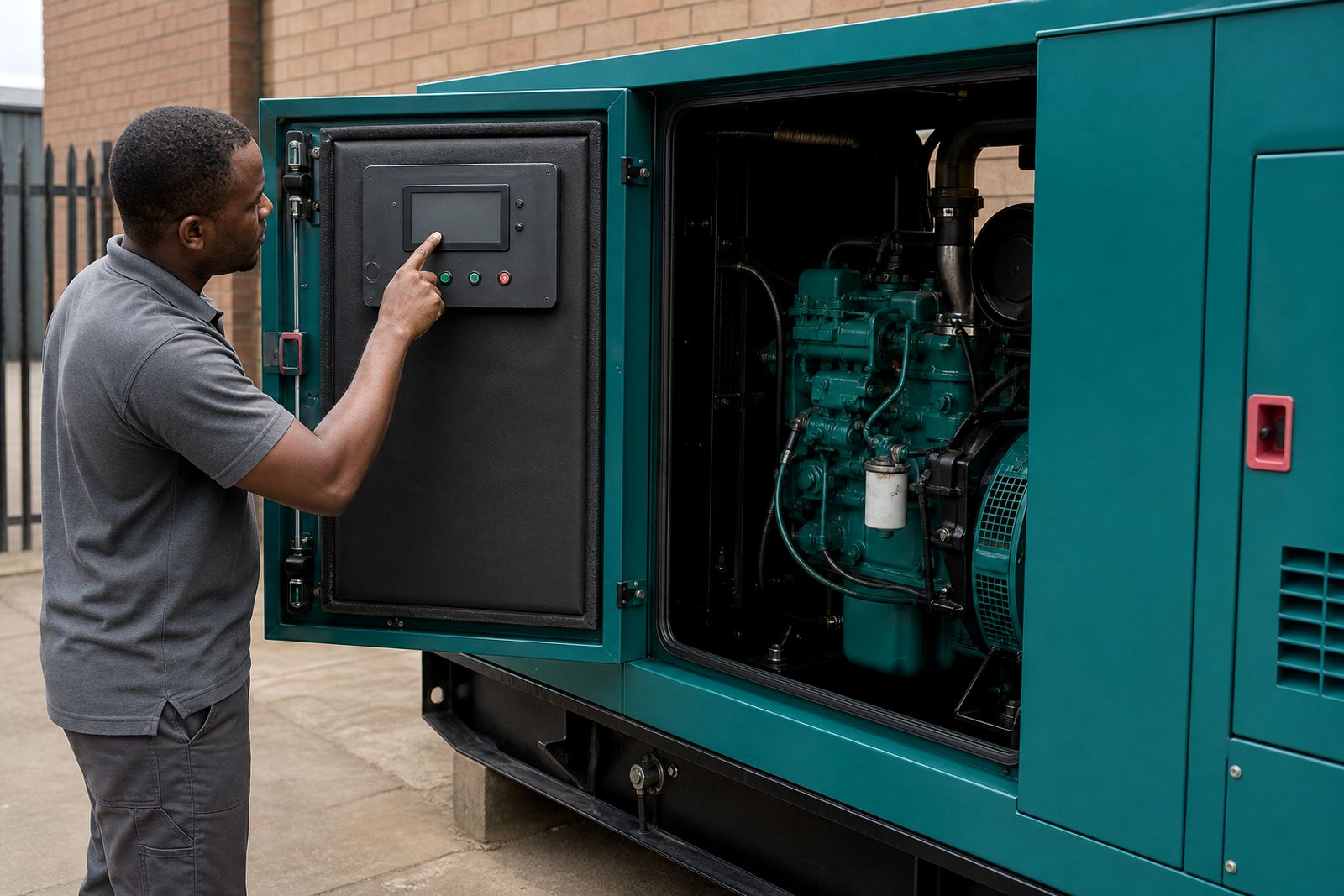
The quickest way to narrow the correct module is with a clear photo set and the generator nameplate. A panel front photo helps with cut-out size and button layout. Internal photos help identify terminal markings, fuses, relays and whether the generator already has a magnetic pickup, oil switch, temperature sender or charger fitted. If the old module face is damaged, the wiring labels often tell more than the front does.
Please include these details through our contact form so we can match the replacement properly, not guess from engine colour or canopy shape.
- Generator kVA or kW rating, phase and output voltage
- Starting system voltage, usually 12 V or 24 V
- Whether the site supply monitored is single-phase or three-phase
- Photos of the old module front, rear and terminal numbers
- A photo of the panel interior showing connected wires
- Any fault symptoms such as no crank, overcrank, false mains fail or no transfer signal
Installation notes that matter on site
Module replacement is often straightforward mechanically but sensitive electrically. Terminal numbering, fuse protection, earth continuity and the shutdown circuit must all be checked before power-up. On AMF systems, incorrect mains sensing links or phase selection can damage the module or cause unreliable operation. Wiring and changeover work must be done by a qualified electrician.
Good panel practice makes a big difference. Use ferrules where needed, keep battery and starter cables away from low-level signal wiring, and make sure sensing links are tight. A loose neutral reference can give very odd readings, and on some panels it looks like a failed controller when the real issue is in the incoming supply wiring.
After fitting, the electrician should test mains fail, crank sequence, run confirmation, warm-up, transfer command, mains return and cool-down under controlled conditions. Do not assume the old timer values suit the replacement unit one setting out can change the whole sequence.
Looking after the module once it is in service
Controllers last longer when the whole starting system is healthy. Keep batteries charged, terminals clean and panel doors sealed. During routine generator servicing, inspect plugs, spade terminals and small control fuses. If the set lives near the coast or in a wash-down area, check for corrosion at the low-voltage terminals and on ribbon connectors.
When nuisance alarms appear after a period of normal running, it is worth checking sensor earths, charger voltage and crank battery condition before condemning the module. Repeated flat batteries, overlong crank attempts and heat build-up inside a cramped enclosure can shorten controller life. A tidy panel is easier to fault-find, and easier to keep going during a rough week.
What our Generator Parts customers say
Verified Google reviews
Questions we get asked
Can I fit an AMF module where a basic auto-start unit was used before?
Sometimes, but only if the panel has the correct sensing points, control supply, transfer logic and space for the replacement. The extra functions need proper wiring and test procedures, so the panel details matter.
Will a new module solve a generator that cranks but does not start?
Not always. No-start faults are often caused by battery condition, fuel delivery, shutdown inputs, speed sensing or a stop circuit problem. We normally ask for fault symptoms and panel photos before suggesting parts.
What photos help most when asking for the right module?
Send the generator nameplate, the old module front, the rear terminals, and a wider photo of the inside of the control panel. If there is a wiring diagram on the panel door, include that as well.
Also worth a look
Tell us about the job
Send sizes, materials and where you are through our contact form, and we will come back with the practical options.
Open the contact form