

Air filters and water separators
Dust and water are two of the quickest ways to shorten engine life on a generator. We supply replacement air filters and fuel water separators for small portable sets through to larger standby units, with help matching the correct part from the nameplate and clear photos.
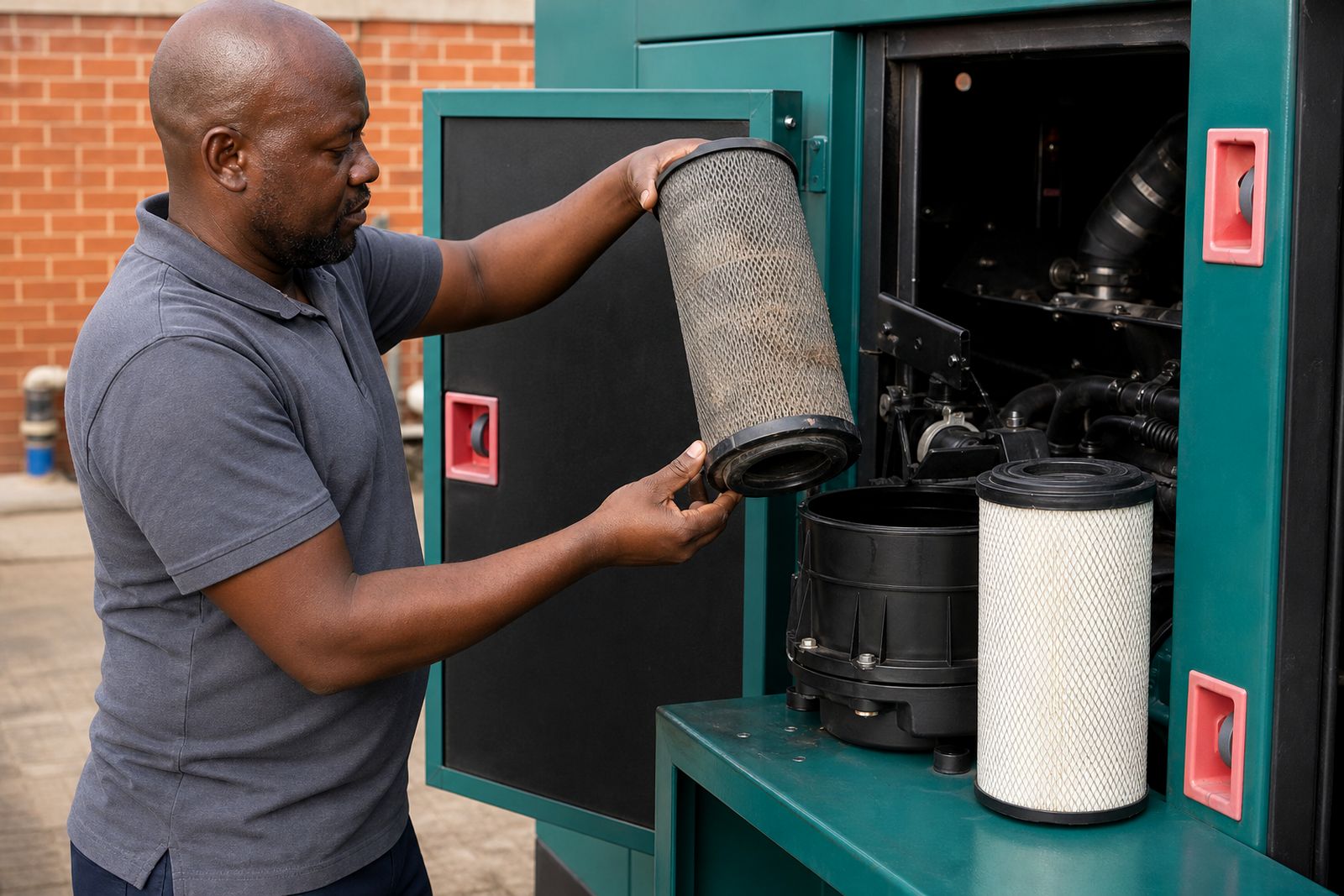
Keeping dirt out and water out
Air filters stop dust, chaff and fine grit from being drawn into the engine intake. Water separators trap free water and contamination in the fuel line before it reaches the injection system or carburetion components, which matters on sets standing for long periods or working in damp coastal air.
On a generator that runs in a workshop yard, near a gravel road, on a farm, or beside a pump house, these service parts carry more of the load than many owners realise. A blocked air element can make starting harder and increase smoke or fuel use. A separator bowl filling with water can lead to rough running, corrosion and injector trouble. Keeping both items in serviceable condition is basic maintenance, but it is one of the easiest ways to avoid a bigger repair.
- Air filter elements for petrol and diesel generator engines.
- Canister, panel and round element styles where fitted.
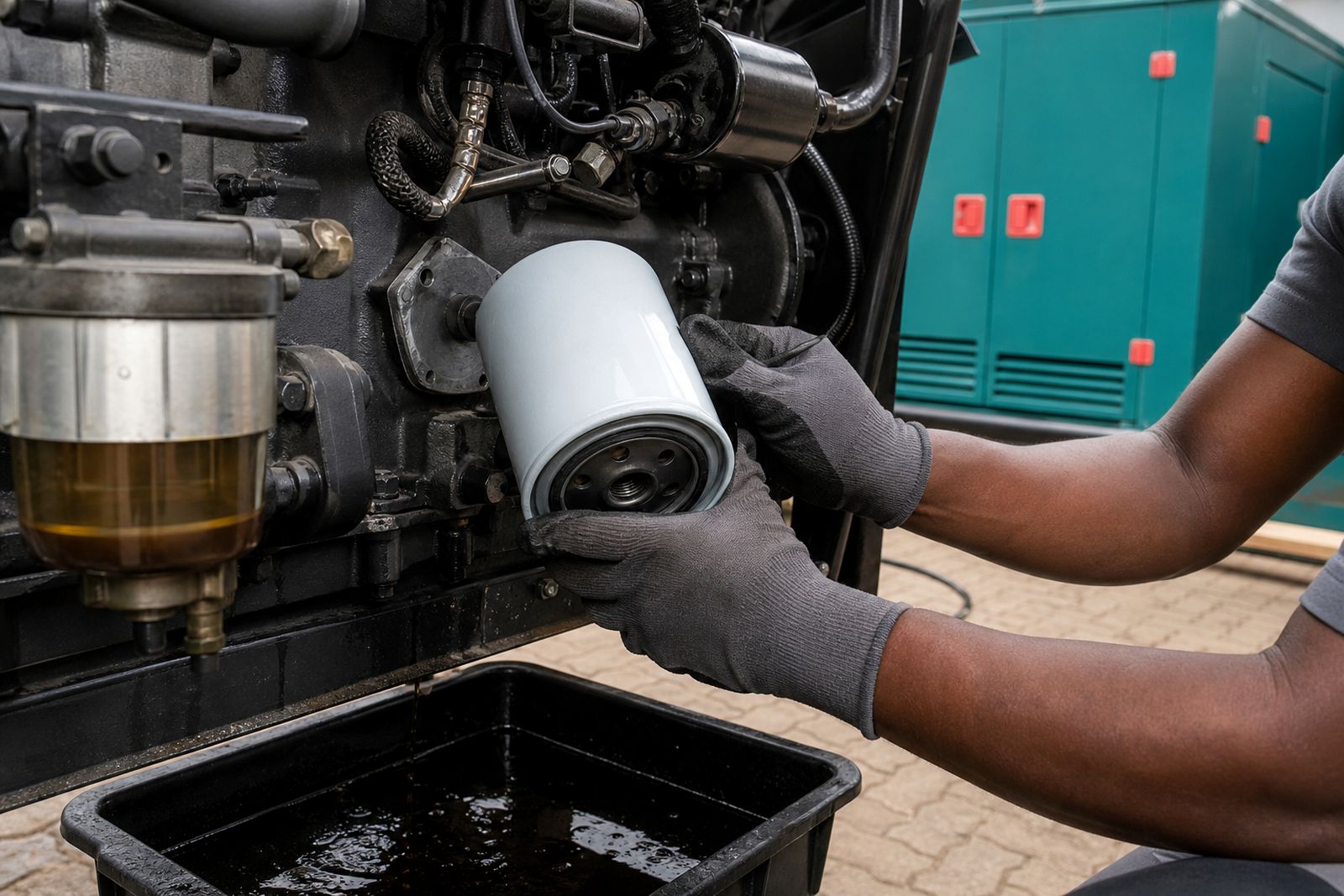
- Fuel water separators with replaceable element and bowl assemblies.
- Service items suited to portable units, standby sets and farm engines.
Filter types, sizes and working limits
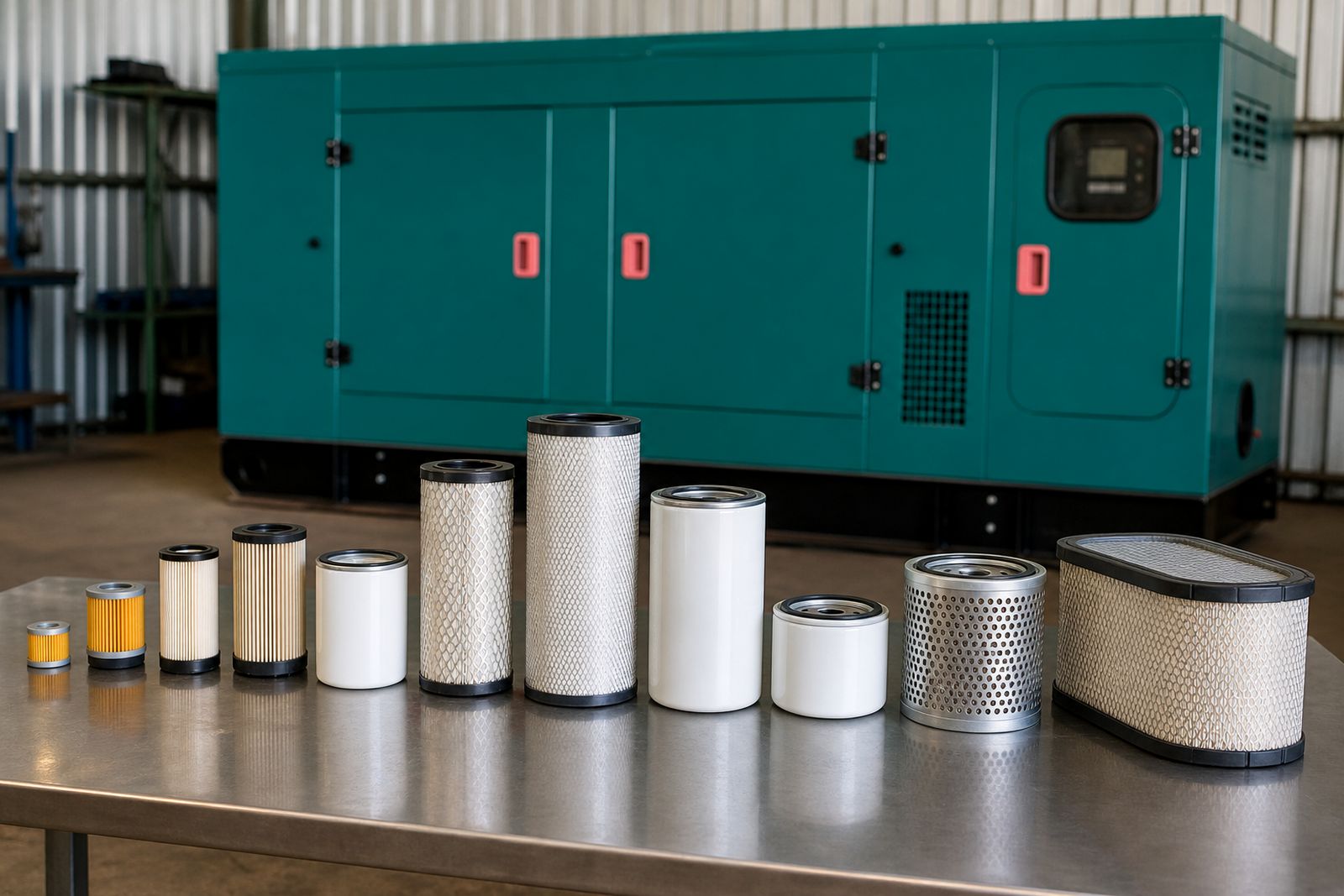
There is no single generator air filter or separator that suits every engine. We match by engine make pattern, housing shape, overall dimensions, thread or sealing face, and where possible by the part number on the old component. For separators, flow size and fitting arrangement matter as much as the bowl shape.
Small portable petrol generators often use compact panel or cylindrical air elements. Larger diesel sets may use radial seal or canister styles with a dedicated housing. Water separators range from spin-on types to bowl assemblies with drain points and mounting heads. The wrong size can restrict fuel flow or leave the air box unsealed, so a visual match on its own is not always enough.
- Air filter outer diameter, inner diameter, height or panel length, width and depth.
- Seal type, end cap style and whether the element sits in a housing or air box.
- Separator thread size, inlet and outlet arrangement, bowl material and drain style.
- Approximate engine power and whether the set is petrol or diesel.
- Typical use conditions such as dusty yards, farm sheds or coastal standby duty.
Working limits are important. A separator chosen too small for the engine may starve the fuel side under load. An air filter with the wrong media area can block early in dusty conditions. We can help narrow the correct range from the engine plate and the old part measurements, even when the old printing has faded a bit.
Where these parts suit the job
These parts suit generators that spend time in ordinary South African service conditions: suburban standby use, farm and borehole duty, workshop backup, site offices and small commercial premises. They are especially useful where fuel is stored in cans or tanks for periods, or where the set works near soil, grain, cement dust or roadside debris.
Air filters and water separators are not a cure for every running fault. If the alternator side has no output, the issue is likely elsewhere. If fuel has algae growth, severe rust contamination or damaged hoses, replacing the separator element alone may not sort the problem. Likewise, a generator with a cracked air box, missing ducting or poor engine compression needs more than a new filter.
For changeover wiring, auto-start circuits and electrical fault finding on the installation, a qualified electrician should handle the work. We supply the service parts themselves, not complete generators and not electrical installation.
Fitting notes and site needs
Most air filter changes are straightforward if the housing is clean and the new element seats properly. Separators need more care. The mounting head, bowl seal and thread must match correctly, and the fuel side may need priming after replacement. On some diesel sets, trapped air can cause hard starting until the system is bled in the proper sequence.
Before fitting, check that the old gasket has not stayed behind on the sealing face and that the bowl is free of cracks. Dirt around the housing should be cleaned away first so it does not drop into the intake or fuel side during service, this small step saves trouble.
- Photograph the old part before removal.
- Measure the element and note any arrows or flow markings.
- Check bowl clearance and mounting space around the separator head.
- Drain contaminated fuel safely into a suitable container.
- If wiring or interlocks are involved nearby, isolate the set properly before work starts.
Care between services
A generator used only during power cuts can still collect moisture in the fuel side and dust in the intake. Short monthly checks help. Inspect the separator bowl for water, look for cracked hoses and clamps, and make sure the air housing clips still pull down evenly. In very dusty areas, service intervals can be far shorter than those in a basic handbook.
Do not wash paper air elements and refit them. If the media is torn, oil-soaked or heavily loaded with dust, replacement is the safer route. For separators, drain water when the design allows it and replace the element when contamination is visible or fuel flow has started dropping off under load.
On coastal sites from Durban to Gqeberha, condensation and salt air often make fuel care more important than inland owners expect. A set that stands for weeks at a time can still benefit from fresh filters and a clean separator bowl before the next outage period.
What to send with your enquiry
The best matches come from clear information rather than guesswork. If the generator still has its engine plate or set nameplate, send a photo that shows the model details. Then add pictures of the old air filter or separator from more than one angle, including the seal face, thread and bowl if fitted.
Please include as many of these details as you can in our contact form:
- Generator make pattern and model shown on the nameplate.
- Engine type, petrol or diesel, and rated kVA if known.
- Photos of the old part next to a tape measure or ruler.
- Overall dimensions, thread size or hose fitting size where visible.
- Whether you need only the element, only the bowl, or a complete separator assembly.
- Your town and province for courier planning.
If the old part number is unreadable, that is common. A straight-on photo, side view and measurements usually give us enough to narrow it down.
What our Generator Parts customers say
Verified Google reviews
Questions we get asked
Can I use a separator that looks close in size?
It is better to match the thread, sealing face, flow size and bowl arrangement properly. A near match can leak, restrict fuel flow or fail to clear nearby components.
Do water separators matter on a generator that runs only during outages?
Yes. Sets that stand for long periods often collect condensation in the fuel system, and that moisture can cause rough running or corrosion when the generator is finally needed.
What if my old air filter has no readable number on it?
Send the generator nameplate, clear photos of the old element and basic measurements. Diameter, height, panel dimensions and the seal style are usually enough to narrow the options.
Also worth a look
Tell us about the job
Send sizes, materials and where you are through our contact form, and we will come back with the practical options.
Open the contact form